
Blog
Why ‘Glazed Donut Skin’ and Other Viral Beauty Trends Have Experts Concerned About Teens

Reviewed by Samantha Mann
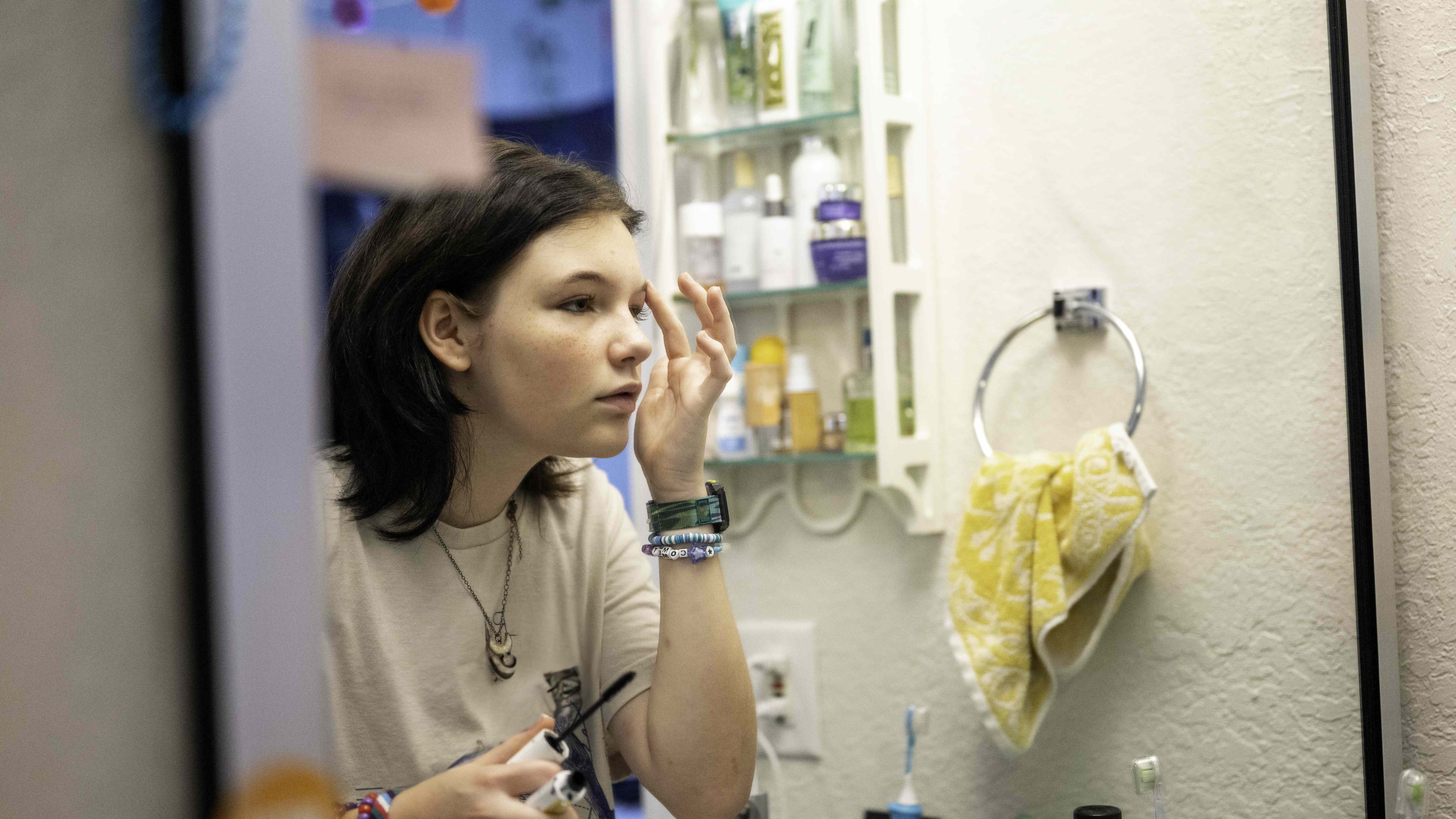
Credit: Lisa5201 / Getty Images
Key Takeaways
• Social media skincare trends can pressure teens to chase unrealistic beauty standards, which may harm their self-esteem.• Many trendy skincare routines are expensive, time-intensive, and may not be safe or suitable for teen skin.• Parents can help by having open, nonjudgmental conversations about beauty trends and modeling self-acceptance.
Have you heard of “glazed donut skin?” The term might sound strange to you, but if you’re the parent of a teen, odds are it’s familiar to your kid. They’ve also probably come across “clean girl aesthetic,” “glass skin,” and “butter skin.” These are social media skincare trends, and they’re part of a growing number of hard-to-achieve, money- and time- intensive looks that go viral on TikTok.
Most of these trends emerged from TikTok creators giving a clever, memorable name to their skincare routines. The trends tend to require a range of skincare products (things like peptide moisturizers, barrier boosters, retinol, and hydrating sprays), which can be pricey, are promoted by influencers sometimes as advertisements, and might not be suitable for teen skin.
Here’s what parents should know about potentially damaging beauty trends targeted at teens—plus how to have a productive conversation about beauty standards and body image.
What Types of Skincare Trends Take Over Social Media?
When Haley Bieber, who founded the skincare brand Rhode, coined “glazed donut skin,” she added, “My standard when I go to bed at night is that if I’m not getting into bed looking like a glazed donut, I’m not doing the right thing.” And sure enough, the trend requires a host of products—like toners, eye creams, serums, and mists—that layer on top of one another to create shiny, dewy, and slick skin reminiscent of the titular sugar-varnished treat.To the untrained eye, glass skin and butter skin may not seem all that different, but there are a few key differentiating factors. TikTokers who promote glass skin aim for a clear, reflective look that is almost translucent, while those hawking butter skin promise a smooth, velvety finish that’s not overly shiny.
Clean girl aesthetic is an overall look that includes skincare and is based on looking fresh, natural, and put together. Clean girl TikTokers use a host of products to achieve moisturized, dewy, and clear skin, typically slick their hair back in a neat bun, and prefer minimalist style like gold hoops and crisp white t-shirts.
Why These Trends Are Problematic
Teens have always engaged with the trend cycle—but skincare trends can be more problematic than, say, wide-leg jeans or crop tops.
The products might harm their skin
For one thing, the products themselves may be harmful, as teens often purchase and use them without input from a dermatologist. Some products might have anti-aging properties, which might even have a negative impact on young skin.
For another, they generally promote supposedly perfect skin that is radiant, glowing, and blemish-free, which is hard to achieve for anyone, and particularly for those teens who have acne or other hormonal skin changes.
Yet these skincare trends remain alluring to teenagers. “Developmentally, young teens are very susceptible to any content which suggests that the product will make them more like other teens,” says Dr. Betsy Kennard, pediatric psychologist. “Social comparison, especially among young girls, increases the pressure to strive for ‘improved beauty,’ which may be harmful.”
These trends are not inclusive
These trends widen the cultural divide between teens with financial resources and those without, according to Dr. Leah Clionsky, Licensed Psychologist and founder of Thriving Child Center. “If your parents can’t afford dermatologists, facials, and premium products, do you even have a hope of conforming to the trend?”
There’s also the issue that some widely copied trends are based on cultural appropriation. The clean girl aesthetic in particular—which promotes slicked-back hair and gold hoop earrings—draws on a look that Black and brown women have worn for decades. And yet many influencers promoting this look are white women.
It’s also true that if your teen has curly, coarse, or thick hair, many of these beauty trends work for them. The same goes for teens dealing with cystic acne, vitiligo, eczema, or any other skin condition that might already be making them self-conscious among peers.
Can Beauty Trends Harm Teen Mental Health?
Unattainable, ever-changing skincare trends can contribute to low self-esteem for teens, which may make them feel anxious or depressed.
“Even though teens know that social media is not ‘real,’ they still have a hard time remembering that many people are not maintaining these aesthetics all of the time,” says Dr. Clionsky. “Teens compare themselves to unrealistically high standards, and their self-esteem drops when they can’t compete.”
These trends can also make teens—especially teen girls—feel that their self-worth is entirely dependent on their looks. “A teen who receives a lot of praise may feel that her self-worth is defined by maintaining that look. A teen who receives criticism may feel embarrassed and lose confidence,” explains Dr. Clionsky.
Cheryl Groskopf, LMFT, holistic therapist, agrees, and cautions parents to pay attention to their teen’s behavior, especially if they spend a lot of time on social media and seem particularly obsessed with a certain aesthetic or beauty routine.
“The damage doesn’t always show up as obvious insecurity,” she says. “It often shows up as teens disconnecting from themselves. Girls stop looking in the mirror to see who they are—they start looking for what’s wrong. They compare. They scan. They shrink. And they try to ‘fix’ themselves—even when nothing is wrong.”
How to Talk to Your Teens About Harmful Beauty Trends
To engage with your teens about social media skincare trends, do your best to approach the topic without judgment. Instead, you can talk about it in a laid-back way. “Ask teens about trends and how they feel about them,” says Dr. Clionsky. “Try to determine whether following the trend is fun, or if it’s creating a lot of pressure or distress.”
Model a healthy attitude toward appearances at home
If you’re able to have an open conversation with your teen, you can remind them that no one looks the way they do on social media all of the time, no matter how perfect their posts may seem.
And you can always make an impact by paying attention to your own behavior and modeling self-acceptance and trend-aversion. “Notice if you’re criticizing your own appearance or obsessing over beauty trends” says Dr. Clionsky.
Whether or not they want to talk, your teen is paying attention and will take your behavior to heart. There’s nothing wrong with enjoying makeup and skin care products, but since your teen is likely emulating your behavior, framing beauty and make up as a hobby people take up for enjoyment and self-empowerment rather than to fit in with someone else’s beauty standard is crucial.
Put these trends in context
Finally, Dr. Clionsky recommends engaging with the trend playfully by discussing the many beauty trends that have emerged in your lifetime. Show them that changing their skin now, or obsessing over one type of look that puts them in a box, isn’t necessarily the best use of their time—these trends are likely to surge in popularity and then completely disappear just as quickly. It’s more worthwhile to explore and experiment with their own personal style.
“Show photos of yourself looking ‘cool’ when you were in high school,” she says. “The idea is to put the trend, and all beauty trends, into perspective.”
Read the original article on Parents